
Tuesday, May 19, 2009
You are the most welcome to this site at anytime!:)
This site was formed to explain in details the physiology of exercise while doing an experiment.

Friday, May 8, 2009
Abstract
The purpose of this lab is to know how the body systems would respond to increased physical activity by measuring the body's metabolic rates like the heart pulse, reperation rate, blood pressure, temperature (internal and exteranal) and sweat. In this experiment;
-For ten minutes, we have to keep a student completly unactive, lying on a table.
-For five minutes, we have to make a student perform a small physical action.
-For five minutes, we have to make a student do extreme physical actions.
During those three activities is when we take the pulse, reperation rate, blood pressure, temperature (internal and exteranal) and sweat.
-For ten minutes, we have to keep a student completly unactive, lying on a table.
-For five minutes, we have to make a student perform a small physical action.
-For five minutes, we have to make a student do extreme physical actions.
During those three activities is when we take the pulse, reperation rate, blood pressure, temperature (internal and exteranal) and sweat.

Introduction
"Metabolism is the set of chemical reactions that occur in living organisms in order to maintain life. These processes allow organisms to grow and reproduce, maintain their structures, and respond to their environments.
Measure basic body metabolic parameters:
—pulse,
– respiration rate,
– blood pressure,
– temperature and sweat
The objective of this lab measures body metabolic mechanisms in response to different levels of exercise: pulse, respiration rate, blood pressure, temperature (internal and external) and sweat."
Measure basic body metabolic parameters:
—pulse,
– respiration rate,
– blood pressure,
– temperature and sweat
The objective of this lab measures body metabolic mechanisms in response to different levels of exercise: pulse, respiration rate, blood pressure, temperature (internal and external) and sweat."
Introduction: Procedure
"The three different conditions of activity consisted:
-For ten minutes, keep a student completly unactive, lying on a table.
-For five minutes, make a student perform a small physical action.
-For five minutes, make a student do extreme physical actions.
After each activity the metabolic rates were token as quickly as possible using: oral thermometer, ordinary thermometer, sphygmomanometer (blood pressure gauge), piece of microscope tissue (for sweat) and a stethoscope.


- The oral thermometer should either use a cover slip or be dessinfected with mouth wash."
-For ten minutes, keep a student completly unactive, lying on a table.
-For five minutes, make a student perform a small physical action.
-For five minutes, make a student do extreme physical actions.
After each activity the metabolic rates were token as quickly as possible using: oral thermometer, ordinary thermometer, sphygmomanometer (blood pressure gauge), piece of microscope tissue (for sweat) and a stethoscope.


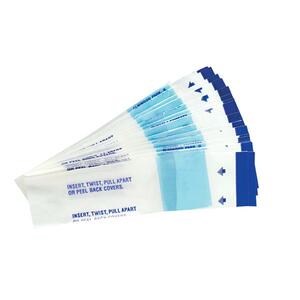


- The oral thermometer should either use a cover slip or be dessinfected with mouth wash."
Hypothesis

These results are proposed explanations made on the basics of limited evidence as a starting point for further investigations and validation of the hypothesis. During this lab we will have to divide it in three parts;
-Relaxing (laying down or trying to sleep during 10 minutes).
-Light activity (walking around for 5 minutes).
-Intense activity (running around for another 5 minutes).
I think that during the 10 minutes of relaxation, I think that the outcomes will be lower then the normal outcomes since you have no stress at all except if you are having a dream while you're sleeping.
For the 5 minutes of light activity, I think that the outcomes will maybe be slightly higher than usual since you had some activities which makes your cells need more oxygen. This will also bring some sweat and hotness to some people.
For the last 5 minutes of intense activity, I think that the outcomes will extremely higher than usual since the people have been running, and their cells are missing oxygen which will make their body work harder and also send a message to their heart to breath faster to have more oxygen.
Results Graphs of Metabolisms after some Activities
Here are the means of every basic body metbolic parameters:


Subscribe to:
Posts (Atom)