
Tuesday, May 19, 2009
You are the most welcome to this site at anytime!:)
This site was formed to explain in details the physiology of exercise while doing an experiment.

Friday, May 8, 2009
Abstract
The purpose of this lab is to know how the body systems would respond to increased physical activity by measuring the body's metabolic rates like the heart pulse, reperation rate, blood pressure, temperature (internal and exteranal) and sweat. In this experiment;
-For ten minutes, we have to keep a student completly unactive, lying on a table.
-For five minutes, we have to make a student perform a small physical action.
-For five minutes, we have to make a student do extreme physical actions.
During those three activities is when we take the pulse, reperation rate, blood pressure, temperature (internal and exteranal) and sweat.
-For ten minutes, we have to keep a student completly unactive, lying on a table.
-For five minutes, we have to make a student perform a small physical action.
-For five minutes, we have to make a student do extreme physical actions.
During those three activities is when we take the pulse, reperation rate, blood pressure, temperature (internal and exteranal) and sweat.

Introduction
"Metabolism is the set of chemical reactions that occur in living organisms in order to maintain life. These processes allow organisms to grow and reproduce, maintain their structures, and respond to their environments.
Measure basic body metabolic parameters:
—pulse,
– respiration rate,
– blood pressure,
– temperature and sweat
The objective of this lab measures body metabolic mechanisms in response to different levels of exercise: pulse, respiration rate, blood pressure, temperature (internal and external) and sweat."
Measure basic body metabolic parameters:
—pulse,
– respiration rate,
– blood pressure,
– temperature and sweat
The objective of this lab measures body metabolic mechanisms in response to different levels of exercise: pulse, respiration rate, blood pressure, temperature (internal and external) and sweat."
Introduction: Procedure
"The three different conditions of activity consisted:
-For ten minutes, keep a student completly unactive, lying on a table.
-For five minutes, make a student perform a small physical action.
-For five minutes, make a student do extreme physical actions.
After each activity the metabolic rates were token as quickly as possible using: oral thermometer, ordinary thermometer, sphygmomanometer (blood pressure gauge), piece of microscope tissue (for sweat) and a stethoscope.


- The oral thermometer should either use a cover slip or be dessinfected with mouth wash."
-For ten minutes, keep a student completly unactive, lying on a table.
-For five minutes, make a student perform a small physical action.
-For five minutes, make a student do extreme physical actions.
After each activity the metabolic rates were token as quickly as possible using: oral thermometer, ordinary thermometer, sphygmomanometer (blood pressure gauge), piece of microscope tissue (for sweat) and a stethoscope.


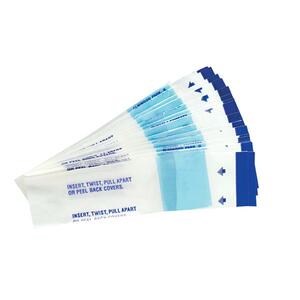


- The oral thermometer should either use a cover slip or be dessinfected with mouth wash."
Hypothesis

These results are proposed explanations made on the basics of limited evidence as a starting point for further investigations and validation of the hypothesis. During this lab we will have to divide it in three parts;
-Relaxing (laying down or trying to sleep during 10 minutes).
-Light activity (walking around for 5 minutes).
-Intense activity (running around for another 5 minutes).
I think that during the 10 minutes of relaxation, I think that the outcomes will be lower then the normal outcomes since you have no stress at all except if you are having a dream while you're sleeping.
For the 5 minutes of light activity, I think that the outcomes will maybe be slightly higher than usual since you had some activities which makes your cells need more oxygen. This will also bring some sweat and hotness to some people.
For the last 5 minutes of intense activity, I think that the outcomes will extremely higher than usual since the people have been running, and their cells are missing oxygen which will make their body work harder and also send a message to their heart to breath faster to have more oxygen.
Results Graphs of Metabolisms after some Activities
Here are the means of every basic body metbolic parameters:


Discussion
"Each cell in the muscles needed more oxygen when doing more work because of increased cellular respiration within the cell. Each cell also required glucose which is part of cellular respiration. Two substances produced during cellular respiration are carbon dioxide and water." The cellular respiration is:
C6H12O6 + 6O2 → 6CO2 + 6H2O + Energy
"Blood is the transport system for oxygen, glucose, carbon dioxide and part of the water." Blood is made up of Erythrocytes (red blood cells), Leukocytes (white blood cells), Thrombocytes (platelets) and plasma.
"Oxygen in the blood is carried by a system of tubules made-up of arteries, arterioles, and capillaries. Oxygen diffuses from the high concentration in the arterial capillaries into the area of low concentration in the cell. Oxygen attaches itself to the erythrocytes that are red blood cells. Erythrocytes contain hemoglobin which is a molecule that contains an iron atom. Oxygen binds itself to that iron atom.
Carbon dioxide diffuses from the high concentration in the cells into the area of low concentration in capillaries around the cell. The capillaries carry the blood rich in carbon dioxide to the venules and then to the veins. The veins carry the carbon dioxide to the upper and lower vena cava that lead into the right atrium and then goes down to the right ventricule. The carbon dioxide is then carried to the lungs and to the left atrium and then down to the left ventricule. This the goes to the cells of the head and of the the body by the arteries.
Receptors, such as the one in the aorta, detect the rise in carbon dioxide in the body as the blood leaves the left ventricle. The carbon dioxide receptor examines the level of carbon dioxide in the blood. The receptor sends a signal to respiratory centre in response to an increase or decrease in the levels of carbon dioxide. The respiratory centre is located in the medulla oblongata at the base of the brain.

The respiratory centre , which is part of the central nervous system and part of the autonomous nervous system, sends a signal to the muscles involved with respiration such as the intercostal muscles in the rib cage and the diaphragm to work faster if the levels of carbon dioxide have increased. These signals occur very quickly. During the intense activity level the abdominal muscles were also activated by the respiratory system.
As the muscles around the lungs contract,they enlarge the area around the lungs.The enlarged area around the lungs decreases the pressure in the lungs. The pressure outside the body is greater at that point than in the lungs so air from the outside is forced into the lungs by the difference in pressure. As the muscles relax and return to their original positions, the higher pressure on the lungs forces air from the lungs into the air.
The lungs are comprised of two main sections. The left and the right lungs." Air from the outside enters through the mouth and the nose, but respiration is achieved fully by the mouth, nose, trachea, lungs, and the diaphragm. This brings the O2 (Inhalation) to be replaced by CO2 (Exhalation).
"The results in the experiment indicate that both respiration and pulse increased with higher activity levels. The mean results support the hypothesis. The range in the results can be explained by different levels of strenuous activities, some requiring more oxygen, and by different levels of fitness among the subjects.
It would be worthwhile to add a further dimension to the experiment by analyzing how long it takes the body to resume the normal pulse and respiration to determine when oxygen levels returned back to normal. The hypothesis would be the faster that the subject's pulse and respiration returned to normal, the better is the subject's cardiovascular and pulmonary systems. Another addition to the experiment would be to have some subjects inhale oxygen. The hypothesis would be that the subjects inhaling oxygen would return to their normal pulse and respiration rates faster than subjects who were not provided with oxygen.
The experiment could also test the level of carbon dioxide produced at the different levels of activity. This can be measured by having the subjects blow through a straw into lime water. Lime water turns murky white in the presence of carbon dioxide as done in a previous experiment this year. The faster the lime water turned milky white, the more carbon dioxide the subject must be exhaling."
All the systems in the body do their part and are really important. If you missed one of those systems or one system didn't wor k well, you wouldn't get to live really long since they all play a very important role in your body. The Excretory system is one of them. This system makes sure that the things that are not needed in your body gets out. The main products that this system takes care
  of or makes gets rid of is sweat, carbon dioxide and urine. Sweat contains 99% water and the other 1% is NaCl,Vitamin C, uric acid, urea, ammonia and lactic acid. Urine contains 95% water and the rest is waste like sweat. The sweat is caused by either stress, hotness or physical activities like sports or like our experiment that we did in science. In this case the sweat was caused by doing physical activities. The sweat is brought to the top of the skin by sweat glands all over your body who make sweat.In the experiment, almost everyone sweat because it is natural and also it makes your body cool down.
Blood pressure is really important. It is important for everyone to know what their blood pressureis so that if it isn't good, they can talk with their doctor. If you have low or high blood pressure, you will get symptoms of it. The normal blood pressure is to have the systolic pressure (right after the heart beats) at 120 and the diastolic (between the heart beats) at 80. If you have high blood pressure, the symptoms are headache, dizziness, blurred vision and nausea. These symptoms which comes from the high blood pressure can be caused by being overweight, sometimes if it has been in your family history, age (commonly over 50 but any age can get it), race like african-american, too much salt, smoking cigarette, alcohol, lack of physical activity and stress. The symptoms of low blood pressure are dizziness, fainting, difficulty concentrating, change in breath pattern, nausea and suddenly feeling cold or clammy. These symptoms which comes from the low blood pressure can be caused by pregnancy, some medication, heart problems, diabetes, dehydration, blood loss, severe infection and if you don't eat healthy and good. To know if you have low or high blood pressure, you should buy or use one of these machines:
 Like all the other systems, the nervous system is really important, but this system is maybe even more important than the other sytems since it deals with telling the other systems what to do. Like when the cells miss oxygen, it will give the heart a really quick signal to advise it to pump faster to then make the respiratory and the other systems work h
 arder to get more oxygen. In those cases the muscles around like the abdominal muscle will start to help breathing. A good example of that is when you run a cross country. The nervous system consists of a part of the brain, spinal cord, nerves, ganglia, and parts of the receptor and effector organs. The nervous system coordinates the body and controls a little bit. It is this system which gives signal to the other parts of the body when something doesn't work.
C6H12O6 + 6O2 → 6CO2 + 6H2O + Energy
"Blood is the transport system for oxygen, glucose, carbon dioxide and part of the water." Blood is made up of Erythrocytes (red blood cells), Leukocytes (white blood cells), Thrombocytes (platelets) and plasma.
"Oxygen in the blood is carried by a system of tubules made-up of arteries, arterioles, and capillaries. Oxygen diffuses from the high concentration in the arterial capillaries into the area of low concentration in the cell. Oxygen attaches itself to the erythrocytes that are red blood cells. Erythrocytes contain hemoglobin which is a molecule that contains an iron atom. Oxygen binds itself to that iron atom.
Carbon dioxide diffuses from the high concentration in the cells into the area of low concentration in capillaries around the cell. The capillaries carry the blood rich in carbon dioxide to the venules and then to the veins. The veins carry the carbon dioxide to the upper and lower vena cava that lead into the right atrium and then goes down to the right ventricule. The carbon dioxide is then carried to the lungs and to the left atrium and then down to the left ventricule. This the goes to the cells of the head and of the the body by the arteries.
Receptors, such as the one in the aorta, detect the rise in carbon dioxide in the body as the blood leaves the left ventricle. The carbon dioxide receptor examines the level of carbon dioxide in the blood. The receptor sends a signal to respiratory centre in response to an increase or decrease in the levels of carbon dioxide. The respiratory centre is located in the medulla oblongata at the base of the brain.

The respiratory centre , which is part of the central nervous system and part of the autonomous nervous system, sends a signal to the muscles involved with respiration such as the intercostal muscles in the rib cage and the diaphragm to work faster if the levels of carbon dioxide have increased. These signals occur very quickly. During the intense activity level the abdominal muscles were also activated by the respiratory system.
As the muscles around the lungs contract,they enlarge the area around the lungs.The enlarged area around the lungs decreases the pressure in the lungs. The pressure outside the body is greater at that point than in the lungs so air from the outside is forced into the lungs by the difference in pressure. As the muscles relax and return to their original positions, the higher pressure on the lungs forces air from the lungs into the air.
The lungs are comprised of two main sections. The left and the right lungs." Air from the outside enters through the mouth and the nose, but respiration is achieved fully by the mouth, nose, trachea, lungs, and the diaphragm. This brings the O2 (Inhalation) to be replaced by CO2 (Exhalation).
"The results in the
experiment indicate that both respiration and pulse increased with higher activity levels. The mean results support the hypothesis. The range in the results can be explained by different levels of strenuous activities, some requiring more oxygen, and by different levels of fitness among the subjects.It would be worthwhile to add a further dimension to the experiment by analyzing how long it takes the body to resume the normal pulse and respiration to determine when oxygen levels returned back to normal. The hypothesis would be the faster that the subject's pulse and respiration returned to normal, the better is the subject's cardiovascular and pulmonary systems. Another addition to the experiment would be to have some subjects inhale oxygen. The hypothesis would be that the subjects inhaling oxygen would return to their normal pulse and respiration rates faster than subjects who were not provided with oxygen.
The experiment could also test the level of carbon dioxide produced at the different levels of activity. This can be measured by having the subjects blow through a straw into lime water. Lime water turns murky white in the presence of carbon dioxide as done in a previous experiment this year. The faster the lime water turned milky white, the more carbon dioxide the subject must be exhaling."
All the systems in the body do their part and are really important. If you missed one of those systems or one system didn't wor
 k well, you wouldn't get to live really long since they all play a very important role in your body. The Excretory system is one of them. This system makes sure that the things that are not needed in your body gets out. The main products that this system takes care
  of or makes gets rid of is sweat, carbon dioxide and urine. Sweat contains 99% water and the other 1% is NaCl,Vitamin C, uric acid, urea, ammonia and lactic acid. Urine contains 95% water and the rest is waste like sweat. The sweat is caused by either stress, hotness or physical activities like sports or like our experiment that we did in science. In this case the sweat was caused by doing physical activities. The sweat is brought to the top of the skin by sweat glands all over your body who make sweat.In the experiment, almost everyone sweat because it is natural and also it makes your body cool down.
Blood pressure is really important. It is important for everyone to know what their blood pressureis so that if it isn't good, they can talk with their doctor. If you have low or high blood pressure, you will get symptoms of it. The normal blood pressure is to have the systolic pressure (right after the heart beats) at 120 and the diastolic (between the heart beats) at 80. If you have high blood pressure, the symptoms are headache, dizziness, blurred vision and nausea. These symptoms which comes from the high blood pressure can be caused by being overweight, sometimes if it has been in your family history, age (commonly over 50 but any age can get it), race like african-american, too much salt, smoking cigarette, alcohol, lack of physical activity and stress. The symptoms of low blood pressure are dizziness, fainting, difficulty concentrating, change in breath pattern, nausea and suddenly feeling cold or clammy. These symptoms which comes from the low blood pressure can be caused by pregnancy, some medication, heart problems, diabetes, dehydration, blood loss, severe infection and if you don't eat healthy and good. To know if you have low or high blood pressure, you should buy or use one of these machines:
 Like all the other systems, the nervous system is really important, but this system is maybe even more important than the other sytems since it deals with telling the other systems what to do. Like when the cells miss oxygen, it will give the heart a really quick signal to advise it to pump faster to then make the respiratory and the other systems work h
 arder to get more oxygen. In those cases the muscles around like the abdominal muscle will start to help breathing. A good example of that is when you run a cross country. The nervous system consists of a part of the brain, spinal cord, nerves, ganglia, and parts of the receptor and effector organs. The nervous system coordinates the body and controls a little bit. It is this system which gives signal to the other parts of the body when something doesn't work.
Conclusion
We can finally conclude that after our experiment by saying that after some exercise the normal metabolic rates go up which is really normal since you start running and then you need oxygen so every system start their work. My hypothesis was supported since I had said that the rates would go up, and they did just like I explained. This lab really explained well the physiology of exercise and how the systems works by using the pulse, respiration rate, temperature, blood pressure (diastolic and systolic), sweat level and the internal and external temperature. This experiment was great to demonstrate the physiology of exercise. There could have been other ways to test those metabolic rates but this was a great way to explain the whole physiology of exercise.
Subscribe to:
Posts (Atom)